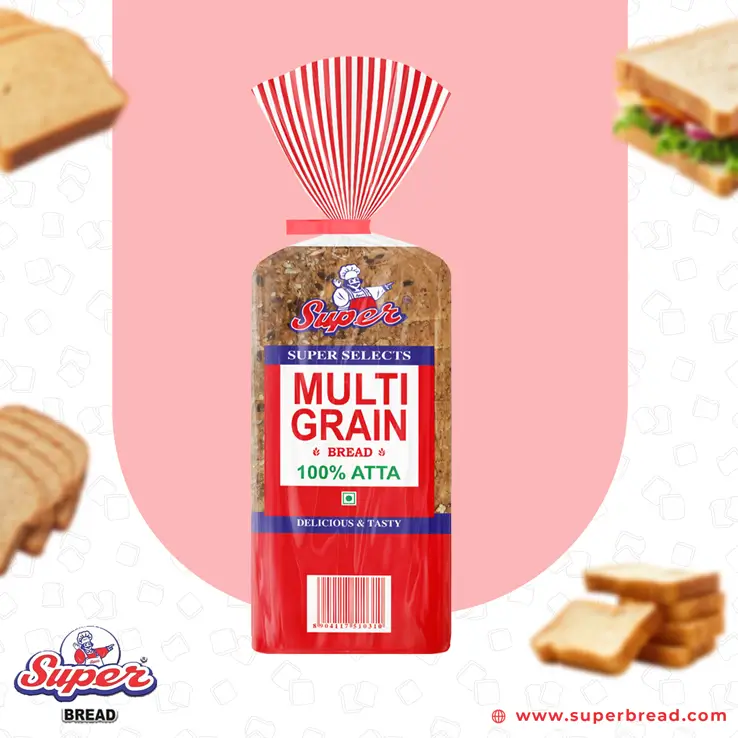
In today’s busy world, staying healthy isn’t just a trend—it’s something we all need to focus on. From managing our daily routines to making better food choices, everything contributes to our overall well-being. One simple yet powerful change you can make is switching to multigrain bread. Packed with the combined goodness of different grains and seeds, multigrain bread offers much more than just great taste.
Whether you’re a fitness enthusiast, a parent looking for better options for your family, or someone who simply wants to eat smarter, multigrain bread is a smart and wholesome addition to your diet. Let’s explore why this nutrient-rich bread deserves a permanent spot in your kitchen.
What Is Multigrain Bread?
Multigrain bread is made from two or more types of grains, often including whole wheat, oats, barley, cornmeal, millet, flaxseeds, and sunflower seeds. The purpose of combining multiple grains is to deliver a wider range of nutrients, flavors, and textures compared to traditional white or whole wheat bread.
While white bread is typically made from refined flour, multigrain bread contains grains that retain their outer layers (bran and germ), which are rich in fiber, B vitamins, and essential minerals. At Super Bread, our signature multigrain loaf features a unique blend of grains and seeds carefully selected to balance taste and nutrition.
Nutritional Powerhouse: What’s Inside Multigrain Bread
One of the biggest reasons people are turning to multigrain bread is the nutritional boost it provides. Here are some of the core ingredients and the benefits they offer:
- Whole Wheat Flour: Whole wheat flour, which includes every component of the grain, is a mainstay in multigrain bread. This includes fiber-rich bran and nutrient-dense germ, making it far superior to refined flours.
- Oats: Oats are high in beta-glucan, a type of soluble fiber known for lowering cholesterol and supporting heart health. They also contribute to that soft, moist texture in every slice of multigrain bread.
- Barley: Barley helps in blood sugar regulation and adds a slightly chewy texture to the bread, making it more satisfying.
- Flaxseeds: Loaded with omega-3 fatty acids and lignans, flaxseeds offer anti-inflammatory benefits and support digestive health.
- Sunflower Seeds: Sunflower seeds bring in healthy fats, protein, and antioxidants, giving your bread a nutty crunch and added nutritional depth.
Health Benefits of Multigrain Bread
Making the switch to multigrain bread is one of the easiest decisions you can make for a healthier lifestyle. Here's why:
- Rich in Dietary Fiber: The mix of grains and seeds used in multigrain bread provides a generous amount of dietary fiber. Fiber can help with weight management by promoting a sensation of fullness, preventing constipation, and facilitating digestion.
- Supports Heart Health: Many of the grains in multigrain bread, such as oats and flaxseeds, help lower bad cholesterol and maintain a healthy heart.
- Slow Release of Energy: Unlike white bread, which can cause a rapid spike in blood sugar, multigrain bread provides a steady release of energy throughout the day. This is particularly helpful for managing hunger and sustaining productivity.
- Packed with Essential Nutrients: Multigrain blends are rich in B-complex vitamins, magnesium, iron, zinc, and healthy fats—all of which contribute to better metabolism, stronger immunity, and improved overall health.
- Aids in Weight Management: The high fiber content and complex carbs in multigrain bread keep you full for longer, reducing the urge to snack unnecessarily.
Texture and Taste: A Delectable Improvement
One common myth is that healthy food can’t taste good. That couldn’t be further from the truth with multigrain bread. It offers a slightly nutty flavor, a hearty bite, and a delightful crunch from seeds like sunflower and flax.
Whether toasted for breakfast or used as a sandwich base, multigrain bread adds a delicious layer of complexity to your meals. With Super Bread’s premium recipe, each slice offers perfect texture and great taste that even kids enjoy.
Multigrain Bread vs Whole Wheat Bread: What’s the Difference?
While both are healthier alternatives to white bread, there are key differences between multigrain bread and whole wheat bread:
| Multigrain Bread | Whole Wheat Bread | |
|---|---|---|
| Grains Used | Multiple grains (oats, barley, flax, etc.) | Only whole wheat |
| Nutrient Variety | Wide range of nutrients | Rich in fiber and wheat nutrients |
| Taste | Nutty and rich | Milder wheat flavor |
| Texture | Hearty with crunchy seeds | Soft and uniform |
If you’re looking for diverse nutrition, multigrain bread offers a broader spectrum of health benefits than single-grain options.
Perfect for Every Meal
The versatility of multigrain bread makes it a must-have in your daily diet. Here are some easy and healthful ways to partake in it:
- Breakfast Toast: Top it with peanut butter, avocado, or poached eggs.
- Lunch Sandwiches: Use it to make veggie, egg, or grilled chicken sandwiches.
- Dinner Side: Serve it with soups, salads, or pasta.
- For a healthy snack, toast a piece and serve it with hummus or yogurt dips.
Thanks to its satisfying texture and flavor, multigrain bread complements a wide variety of meals throughout the day.
Why Choose Us – Super Bread
At Super Bread, we don’t just bake bread—we craft nutrition in every slice. Our multigrain bread is made using high-quality, carefully sourced ingredients that offer real health benefits. With no artificial flavors, colors, or preservatives, you get a clean label product that supports your wellness goals.
We think that flavor should never be sacrificed for health. That’s why we use a unique mix of whole grains and seeds that offer superior flavor and texture. Whether you’re a retailer, restaurant, or health-conscious household, Super Bread is your trusted source for premium multigrain bread that’s always fresh, flavorful, and full of nutrients.
Tips for Storing Multigrain Bread
To keep your multigrain bread fresh and delicious, follow these simple storage tips:
- Maintain a cool, dry location by keeping it at room temperature in an airtight container or breadbox.
- Refrigeration (Optional): If you live in a humid area, refrigeration can help extend shelf life.
- Store for Later: You can cut and store for up to three months.
- Toast directly from frozen.
Proper storage helps maintain both the texture and nutritional value of multigrain bread, so you can enjoy every slice at its best.
Multigrain Bread and Special Diets
Another great reason to choose multigrain bread is its adaptability. It fits into a wide range of diets, including:
- Vegetarian and Vegan Diets: Free from animal products.
- High-Fiber Diets: Rich in natural fiber for digestive health.
- Heart-Healthy Diets: Low in saturated fats, high in good fats.
- Weight Loss Plans: Helps with portion control and hunger management.
Always check the label if you have specific allergies, but Super Bread makes clean, wholesome multigrain loaves that fit many lifestyle needs.
FAQs About Multigrain Bread
Is multigrain bread gluten-free?: Ans: Most multigrain bread contains wheat, which includes gluten. Unless labeled gluten-free, it’s not suitable for those with celiac disease or gluten sensitivity.
Can I eat multigrain bread every day?: Ans: Yes, if you follow a balanced diet, you may consume multigrain bread every day. Its fiber and nutrient content make it a healthy everyday choice.
Is multigrain bread good for diabetes?: Ans: Due to its low glycemic index and complex carbs, multigrain bread can be helpful in managing blood sugar. For individualized guidance, speak with a physician or dietitian.
Conclusion
Multigrain bread isn’t just another loaf on the shelf—it’s a lifestyle upgrade. With its diverse blend of grains and seeds, it delivers a rich combination of nutrients, taste, and texture. From heart health to digestive support, the benefits of multigrain bread are backed by natural ingredients and smart food science. Whether you're looking to improve your meals or adopt better eating habits, multigrain bread is the smart choice for a healthier lifestyle. Make the switch today and taste the difference with Super Bread.
Want to Make the Smart Switch to Multigrain Bread?
For more information about Why Multigrain Bread Is the Smart Choice for a Healthier Lifestyle, call us at +91 968-760-5270 or email us at super@superbread.com. Let Super Bread help you live healthier—one slice at a time!
Need Bread in Bulk?
Call our bulk inquiry desk for wholesale supply across Gujarat.